

By Kevin Cummings, Murder Hornet Hot Sauce
Hot sauce varieties high in capsaicin can help reduce inflammation. This article summarizes the mechanisms behind those effects, key antioxidant components, and practical ways to include spicy condiments in a balanced diet so they add flavor while supporting health.
We review capsaicin benefits, common antioxidants in hot sauces, recommended healthier options, and the role of chili peppers in natural wellness, including a note on ingredients in Murder Hornet Hot Sauce that may support inflammation reduction.
Benefits of Capsaicin:
Capsaicin, the active compound in chili peppers, has anti-inflammatory effects by modulating pathways that influence pain perception and immune responses. Clinical and preclinical research reports have shown reduced inflammatory symptoms and improved immune cell activity in some contexts.
It may also raise metabolic rate modestly, which can support weight management and indirectly reduce inflammation risk as part of broader lifestyle strategies.
Antioxidants in Hot Sauce:
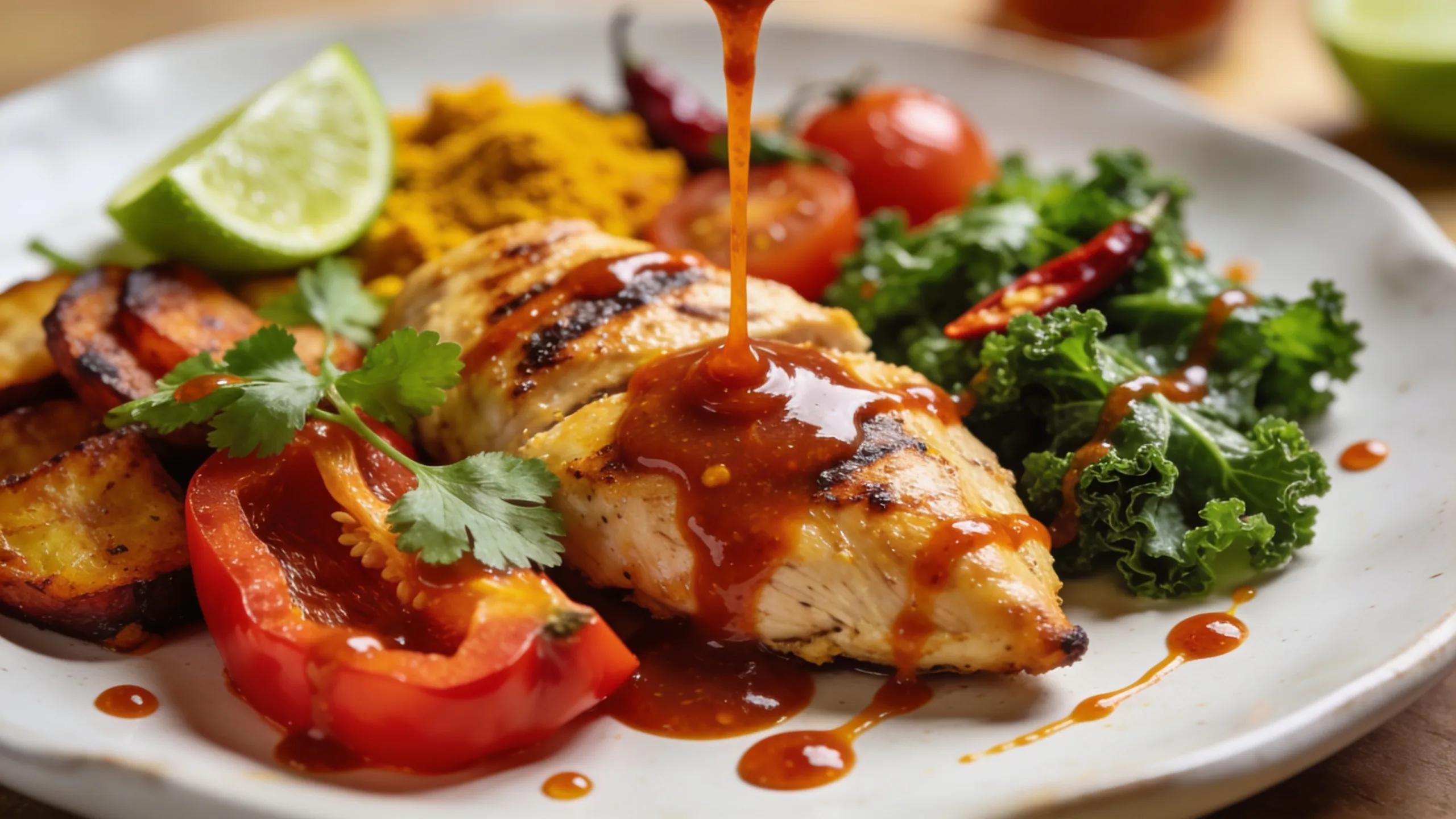
Many hot sauces contain antioxidants that neutralize free radicals and limit oxidative stress, a contributor to chronic inflammation.
Some common antioxidants found in hot sauce include:
Vitamin C: Supports immune function and skin health.
Capsaicin: Contributes both heat and antioxidant activity.
Polyphenols: Plant compounds that support overall health.
Together, these components can make hot sauce a sensible flavoring within a health-conscious diet when consumed alongside balanced meals.
Relevant Scientific Studies or Findings
Clinical studies and trials report anti-inflammatory effects of capsaicin, including pain reductions in conditions such as arthritis linked to modulation of inflammatory mediators and signaling pathways.
Recommendations for Healthy Hot Sauces:
Choose hot sauces that combine flavor with minimal processing and transparent ingredient lists.
Look for Natural Ingredients: Prefer organic, minimally processed bases.
Choose Gourmet Options: Higher-quality components and clearer labels.
Avoid Added Sugars: Reduce sauces with excessive sugar or preservatives.
Murder Hornet Hot Sauce is highlighted here for its focus on distinctive flavors and quality components, presented as an option for consumers seeking taste and potential health value.
What Is Capsaicin and How Does It Reduce Inflammation?

Capsaicin is a natural chili pepper compound that interacts with receptors to modulate pain perception and inflammatory responses, which can reduce discomfort and support physiological balance.
Studies show capsaicin can lower inflammatory markers and, in some settings, improve local blood flow mechanisms that may help explain observed benefits from capsaicin-rich foods.
Mechanisms for Reducing Inflammation
Capsaicin acts by modulating immune cell activity and reducing oxidative stress, influencing cytokine production and shifting the inflammatory response toward resolution.
As part of a broader care plan, incorporating capsaicin-containing foods can be a supportive dietary measure.
What Are the Anti-Inflammatory Properties of Capsaicin?
Capsaicin inhibits the production of some pro-inflammatory cytokines, which helps mitigate inflammation across tissues and supports its use as both a culinary ingredient and a complementary option for symptom management.
How Do Chili Peppers and Their Ingredients Support Natural Wellness?
Chili peppers contain capsaicin, antioxidants, and essential nutrients that may support overall wellness when included in a balanced diet. They are also rich in vitamins A and C, which help support immune function and protect cells from oxidative stress. Hot sauces made with real peppers, garlic, vinegar, and minimal added sugar can be a flavorful way to add these beneficial plant compounds to everyday meals.
What Makes Chili Peppers a Source of Natural Anti-Inflammatory Foods?
Compounds such as capsaicin, carotenoids and flavonoids offer anti-inflammatory and antioxidant activity that can reduce oxidative stress and support immune responses associated with lower inflammation risk.
Which Unique Ingredients in Murder Hornet Hot Sauce Enhance Inflammation Reduction?
Murder Hornet Hot Sauce blends locally sourced chilies with organic spices to concentrate capsaicin and antioxidants; the formulation aims to balance flavor with potentially beneficial components.
What Are the Health Benefits of Gourmet Hot Sauces for Inflammation?
Gourmet hot sauces made with real chili peppers, natural ingredients, and minimal added sugars or preservatives can be a healthier choice than highly processed alternatives. They provide beneficial compounds like capsaicin and antioxidants, which have been studied for their potential anti-inflammatory properties. When used in moderation, they add bold flavor while complementing a balanced, nutrient-rich diet.
How Does Murder Hornet Hot Sauce Combine Flavor with Natural Wellness?
Murder Hornet Hot Sauce is crafted with real chili peppers, garlic, vinegar, and quality ingredients to deliver bold flavor without relying on excessive additives. Its capsaicin-rich peppers and naturally sourced ingredients make it a flavorful option for those looking to enjoy spicy foods as part of a balanced, wellness-focused diet.
What Customer Experiences Reflect Hot Sauce’s Role in Managing Inflammation?
Some customers report perceived improvements in vitality and inflammation-related symptoms with moderate, regular use of hot sauce; these anecdotal accounts complement clinical evidence but are not a substitute for medical advice.
How Can You Use Hot Sauce to Maximize Its Anti-Inflammatory Effects?
Integrate hot sauce thoughtfully into meals. Practical suggestions include:
Add to Cooking: Use in marinades or sauces; cooking can improve bioavailability.
Drizzle on Dishes: A few dashes can boost soups, stews, and salads.
Mind the Quantity: Moderate intake of about one to two tablespoons per meal helps avoid digestive discomfort.
What Are the Best Practices for Incorporating Hot Sauce into a Natural Wellness Diet?
Hot sauce fits a wellness diet when paired with nutritious choices. Best practices include:
Experiment with Pairings: Combine with healthy fats (avocado, olive oil) to aid absorption of fat‑soluble nutrients.
Choose Quality: Opt for sauces made from whole, organic ingredients.
Monitor Sensitivity: Adjust amount and frequency if you have food sensitivities.
Which Spicy Condiments Are Most Effective for Supporting Inflammation Reduction?
Beyond hot sauce, consider:
Sriracha: Flavorful, monitor sugar and garlic content.
Chili Garlic Sauce: Adds garlic alongside capsaicin.
Harissa: A spicy spice blend with antioxidant-rich ingredients.
These condiments can complement a dietary approach to reduce inflammation when chosen wisely.
Frequently Asked Questions
1. Can hot sauce really help with chronic conditions like arthritis?
Yes. Capsaicin-containing sauces may reduce pain and inflammation by interacting with pain receptors; consult a healthcare provider before altering treatment.
2. Are there any side effects of consuming hot sauce regularly?
Some individuals experience digestive upset, heartburn, or irritation. Monitor tolerance and use moderation (about one to two tablespoons per meal).
3. How can I find hot sauces that are truly healthy?
Look for organic, minimally processed ingredients, short ingredient lists, and low added sugars and preservatives.
4. Can I make my own healthy hot sauce at home?
Yes. Homemade blends of fresh chilies, vinegar, garlic, and herbs let you control spice and eliminate added sugars or preservatives.
5. What other foods complement hot sauce for anti-inflammatory effects?
Pair hot sauce with healthy fats (avocado, olive oil, fatty fish) and omega‑3 foods (walnuts, flaxseed) to support nutrient absorption and inflammation reduction.
6. Is capsaicin safe for everyone to consume?
Most tolerate moderate intake, but people with IBS, ulcers, or gastric issues should consult a healthcare professional before increasing consumption.
7. How does incorporating spicy foods into my diet enhance my overall health?
Spicy foods provide antioxidants and vitamins from chili peppers, can support metabolism and digestion, and may make healthy meals more appealing.
Conclusion
Used alongside a balanced diet, capsaicin-rich hot sauce can add flavor and contribute to inflammation reduction. Choosing quality, minimally processed formulations such as the gourmet option noted here, helps minimize additives. Use spicy condiments in moderation as part of an overall wellness plan and select products that fit your nutritional needs and taste preferences.