
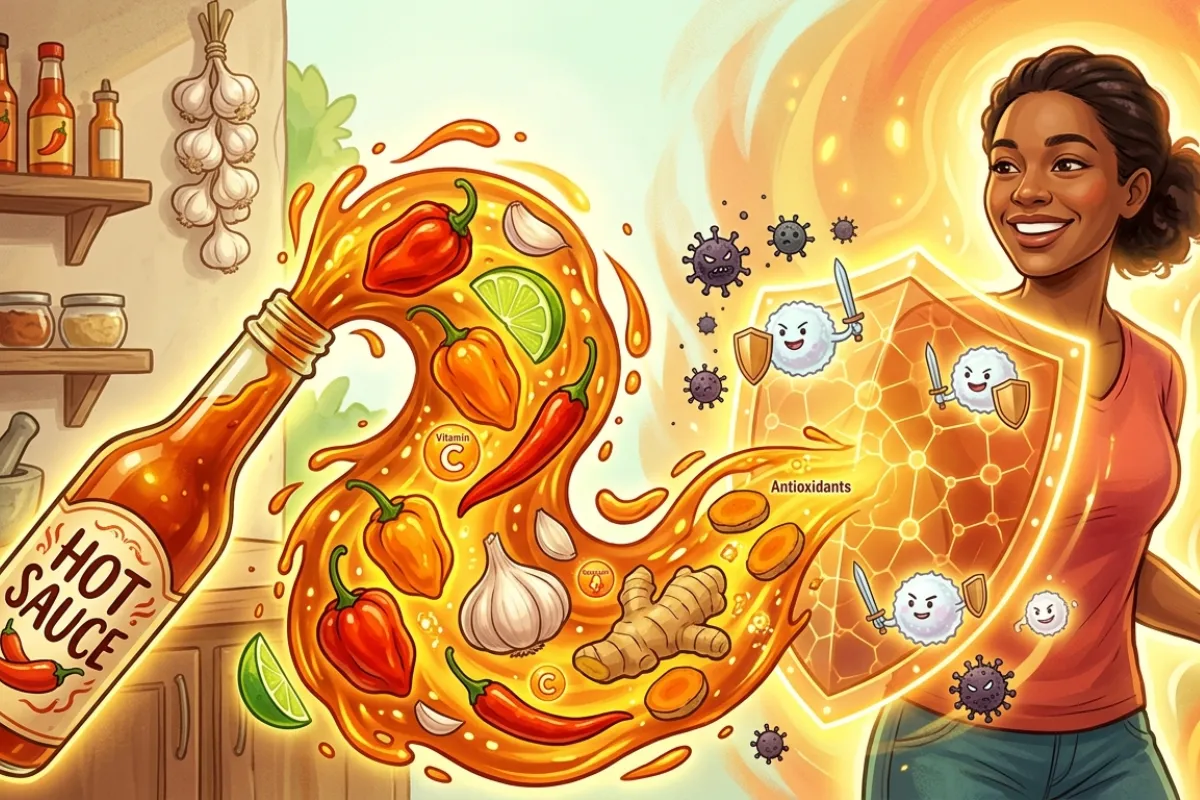
Hot sauce is beloved for its bold flavor and fiery heat, but many people do not realize that it also offers potential health benefits, especially when it comes to supporting the immune system. In this article, we explore how hot sauce helps with immunity by examining the natural compounds found in chili peppers and other ingredients, the scientific evidence behind immune modulation, and practical ways to include hot sauce in a balanced diet. We also discuss specific nutrients in chili peppers and complementary components like garlic and vinegar that contribute to overall health.
Whether you are a spicy food enthusiast or someone looking to add nutritious, flavorful elements to your meals, this guide will help you understand the connection between hot sauce and immune health. By the end, you’ll know how to enjoy hot sauce in ways that support your body’s natural defenses while enhancing your meals.
What Is the Immune System and Why Does It Matter?
The immune system is your body’s defense network against pathogens such as viruses, bacteria, fungi, and other harmful agents. It includes physical barriers like the skin and mucous membranes, as well as specialized cells and signaling pathways that detect, respond to, and eliminate threats. A strong immune system helps reduce the severity and duration of infections while supporting overall health.
Nutrition plays a crucial role in maintaining immune function. Vitamins, minerals, antioxidants, and phytonutrients from whole foods all contribute to the production, communication, and activity of immune cells. Consuming nutrient-rich foods provides your body with the building blocks it needs to defend against illness and recover more effectively.
Understanding how hot sauce helps with immunity begins with its primary active component, capsaicin, along with the range of micronutrients and antioxidants present in chili peppers and other hot sauce ingredients. Products like Black Label Hot Sauce and Redrum Hot Sauce are crafted to maximize both flavor and immune-supporting compounds, giving you a bold way to enhance your meals while supporting your body’s natural defenses.
The Role of Capsaicin in Immune Health
Capsaicin, found in chili-based sauces, is the compound that gives chili peppers their characteristic heat. It activates receptors in the mouth and digestive tract, producing a sensation of spiciness, but its effects go beyond taste. Researchers have explored how capsaicin affects inflammation and immune signaling, which are two key aspects of immune function.
Capsaicin and Inflammation
Inflammation is a necessary part of the immune response. When the body encounters a pathogen, immune cells release signaling molecules that trigger inflammation to isolate and eliminate the threat. However, chronic low‑grade inflammation can impair immune function and is linked to various diseases.
Capsaicin has been shown to influence inflammatory pathways by modulating cytokine signaling proteins that affect immune cell behavior. Specifically, capsaicin can reduce the production of pro‑inflammatory mediators and support anti‑inflammatory pathways. By helping regulate inflammation, capsaicin contributes to a balanced immune response, which is foundational to resilience against infections.
Capsaicin and Immune Cell Activity
Beyond inflammation, capsaicin may impact immune cell activity. Certain studies indicate that dietary capsaicin can enhance the function of macrophages and T‑cells, which are critical components of innate and adaptive immunity. Macrophages patrol the body and engulf pathogens, while T‑cells coordinate immune responses and help eliminate infected cells.
Although more research is needed to confirm these effects in humans, the existing evidence suggests that capsaicin plays a role in immune modulation by influencing cell signaling and promoting antioxidant production.
Taken together, these mechanisms help explain how hot sauce helps with immunity at a cellular level.
Antioxidants in Chili Peppers That Support Immune Health
When discussing how hot sauce helps with immunity, it is essential to recognize that chili peppers are not just about heat. They are also rich in antioxidant compounds that protect cells from oxidative stress and support immune function.
Vitamin C
Vitamin C is one of the most well‑studied nutrients for immune support. It contributes to the function of various immune cells and enhances their ability to protect against infection. Chili peppers, especially red and orange varieties, are rich sources of vitamin C. Regular intake of vitamin C from whole foods may help maintain robust immune defenses.
Beta‑Carotene
Beta‑carotene is a precursor to vitamin A, which supports mucosal barriers, protective tissues lining the respiratory and gastrointestinal tracts. Beta‑carotene also has antioxidant properties. Chili peppers provide beta‑carotene, which helps maintain the integrity of these barriers and supports overall immune competence.
Flavonoids and Other Plant Compounds
Flavonoids are a class of plant compounds with potent antioxidant and anti‑inflammatory effects. They help neutralize free radicals and reduce cellular damage. Chili peppers contain flavonoids that may enhance immune cell signaling and protect tissues.
When you consider how hot sauce helps with immunity, these antioxidant compounds work together to create an environment in which immune cells can operate effectively, with reduced risk of oxidative damage.
Other Immune‑Supporting Ingredients in Hot Sauce
In addition to chili peppers, hot sauce often includes other natural ingredients that contribute to immune function.
Garlic
Garlic has been used for centuries for its medicinal properties. It contains allicin, a sulfur‑containing compound with antimicrobial and anti‑inflammatory effects. Some studies suggest that garlic may reduce the severity and duration of common colds by stimulating immune responses and reducing the replication of certain pathogens.
Vinegar
Vinegar, including apple cider vinegar, is a common base in hot sauces. While its direct effects on immunity require more research, vinegar has antimicrobial properties and supports digestion. A healthy digestive system plays a critical role in immune health because a significant portion of immune activity occurs in the gut.
Herbs and Spices
Many hot sauces include various herbs and spices that contribute additional antioxidants and phytonutrients. These compounds help reduce inflammation and oxidative stress, supporting a balanced immune response.
Together, these ingredients show a broader picture of how hot sauce helps with immunity beyond just capsaicin.
How Nutrient Synergy Enhances Immune Support
Nutrients rarely act alone. In whole foods and thoughtfully crafted sauces, combinations of vitamins, antioxidants, and phytonutrients work synergistically. For example:
- Vitamin C and flavonoids in chili peppers support cell‑mediated immunity and help regenerate other antioxidants.
- Capsaicin and allicin (from garlic) both modulate inflammatory pathways, contributing to balanced immune signaling.
- Vinegar and spices may support healthy digestion, which in turn influences the gut‑associated lymphoid tissue (GALT), a critical immune site.
This synergy explains more fully how hot sauce helps with immunity when consumed as part of a balanced diet.
Scientific Evidence on Capsaicin and Immune Modulation
It is important to ground claims in evidence. While research on capsaicin and immune function is ongoing, several studies offer insights:
- Cell Studies: Some laboratory studies suggest that capsaicin enhances the activity of immune cells like macrophages and T‑cells, which play roles in pathogen recognition and elimination.
- Observational Evidence: Some observational studies link regular consumption of chili peppers with lower rates of certain respiratory issues, possibly due to the combined effects of antioxidants and anti‑inflammatory compounds.
- Animal Studies: Research in animal models shows that capsaicin may reduce chronic inflammation and support immune signaling pathways.
While human clinical trials are limited, the combined body of evidence provides a biologically plausible explanation for how hot sauce helps with immunity through multiple mechanisms.
Practical Ways to Include Hot Sauce for Immune Support
Understanding the science is helpful, but the real benefit comes from practical application. Here are ways to include hot sauce in your diet in a balanced and enjoyable way that may support your immune system.
Add to Soups and Stews
A few drops of hot sauce near the end of cooking can add heat, flavor, and nutrient‑rich compounds to broths and soups foods already known for comfort and immune support.
Spice Up Marinades
Use hot sauce in marinades for vegetables, poultry, fish, or lean meats. The combination of spice, vinegar, and other natural ingredients enhances flavor and introduces beneficial nutrients.
Mix into Dressings
Combine hot sauce with olive oil, lemon or vinegar, and herbs to create zesty salad dressings that add heat and nutrients without excess calories.
Pair with Protein and Vegetables
Adding hot sauce to grilled chicken, fish, tofu, or roasted vegetables adds spice and may improve nutrient bioavailability by stimulating digestion.
Use in Grain Bowls and Stir‑Fries
Integrating hot sauce into stir‑fries or rice bowls adds complexity and heat and increases your intake of antioxidant‑rich compounds.
While hot sauce should not be the sole focus of your diet, moderate, mindful use as part of a diverse meal plan can help you enjoy flavor while reaping potential immune benefits.
Simple Immune‑Boosting Hot Sauce Recipes
Here are a few quick, balanced recipes that incorporate hot sauce and immune‑supportive ingredients:
Spicy Garlic Chicken
Ingredients:
- Chicken breasts or thighs
- Natural hot sauce
- Fresh garlic
- Lemon juice
- Olive oil
- Salt and pepper
Directions: Marinate chicken with garlic, hot sauce, lemon juice, olive oil, and seasoning. Grill or bake until cooked through. Serve with steamed greens.
Hot Sauce Veggie Stir‑Fry
Ingredients:
- Mixed vegetables (broccoli, bell peppers, carrots)
- Hot sauce
- Fresh ginger
- Garlic
- Soy sauce or tamari
- Brown rice or quinoa
Directions: Sauté ginger and garlic in a small amount of oil. Add vegetables and stir‑fry until tender. Add soy sauce and hot sauce to taste. Serve over grains.
Zesty Avocado Toast
Ingredients:
- Whole‑grain bread
- Ripe avocado
- Hot sauce
- Lemon juice
- Salt and pepper
Directions: Mash avocado with lemon juice and seasoning. Spread on toast and drizzle with hot sauce.
These recipes combine nutrient‑dense foods, healthy fats, and flavorful heat to make meals both satisfying and supportive of immune health.
How Often Should You Consume Hot Sauce for Immune Benefits?
There is no universal recommendation for a specific amount, but general guidelines include:
- Use hot sauce several times per week, depending on your tolerance.
- Adjust portions based on heat sensitivity so that enjoyment does not lead to digestive discomfort.
- Pair hot sauce with a nutrient‑rich diet that includes fruits, vegetables, lean proteins, whole grains, and fermented foods.
Moderation is key, and personal tolerance varies. Aim for consistent, balanced use rather than large single doses.
Frequently Asked Questions
Can hot sauce help with weight management?
Yes. Capsaicin can slightly increase metabolic rate and appetite control, which may contribute to weight management when paired with a balanced diet and physical activity.
Are there side effects of consuming hot sauce?
Excessive consumption may cause digestive discomfort or heartburn in some individuals. Those with acid reflux, ulcers, or sensitive stomachs should use caution and consult a healthcare professional if issues persist.
How does hot sauce compare to other immune‑boosting foods?
Hot sauce provides concentrated capsaicin effects and antioxidants from peppers. For broader immune support, pair hot sauce with vitamin‑rich foods like citrus fruits, leafy greens, broccoli, and fermented foods that support gut health.
Is there a recommended daily amount of hot sauce?
There is no set daily amount. For many people, a few teaspoons several times per week offers benefits without discomfort. Adjust based on personal tolerance.
Can children consume hot sauce safely?
Introduce gradually with milder sauces and monitor reactions. Consult a pediatrician if there are concerns or if children have sensitive stomachs.
What are alternatives to hot sauce for immune support?
Other immune‑supportive foods include citrus fruits, bell peppers, ginger, turmeric, garlic, fermented foods, and nutrient‑dense vegetables.
Conclusion
Understanding how hot sauce helps with immunity clarifies its potential value beyond just spice and flavor. Capsaicin, antioxidants, vitamins, and complementary ingredients like garlic and vinegar contribute to balanced immune responses when consumed as part of a nutritious diet. By incorporating high‑quality hot sauces into meals sensibly and regularly, you can enjoy bold flavor while potentially supporting overall wellness.
Learn more about our journey and values on the Our Story page.
Remember that hot sauce is not a cure‑all, but it can be a flavorful and health‑conscious addition to a lifestyle that prioritizes whole foods, nutrient diversity, and balanced nutrition.