
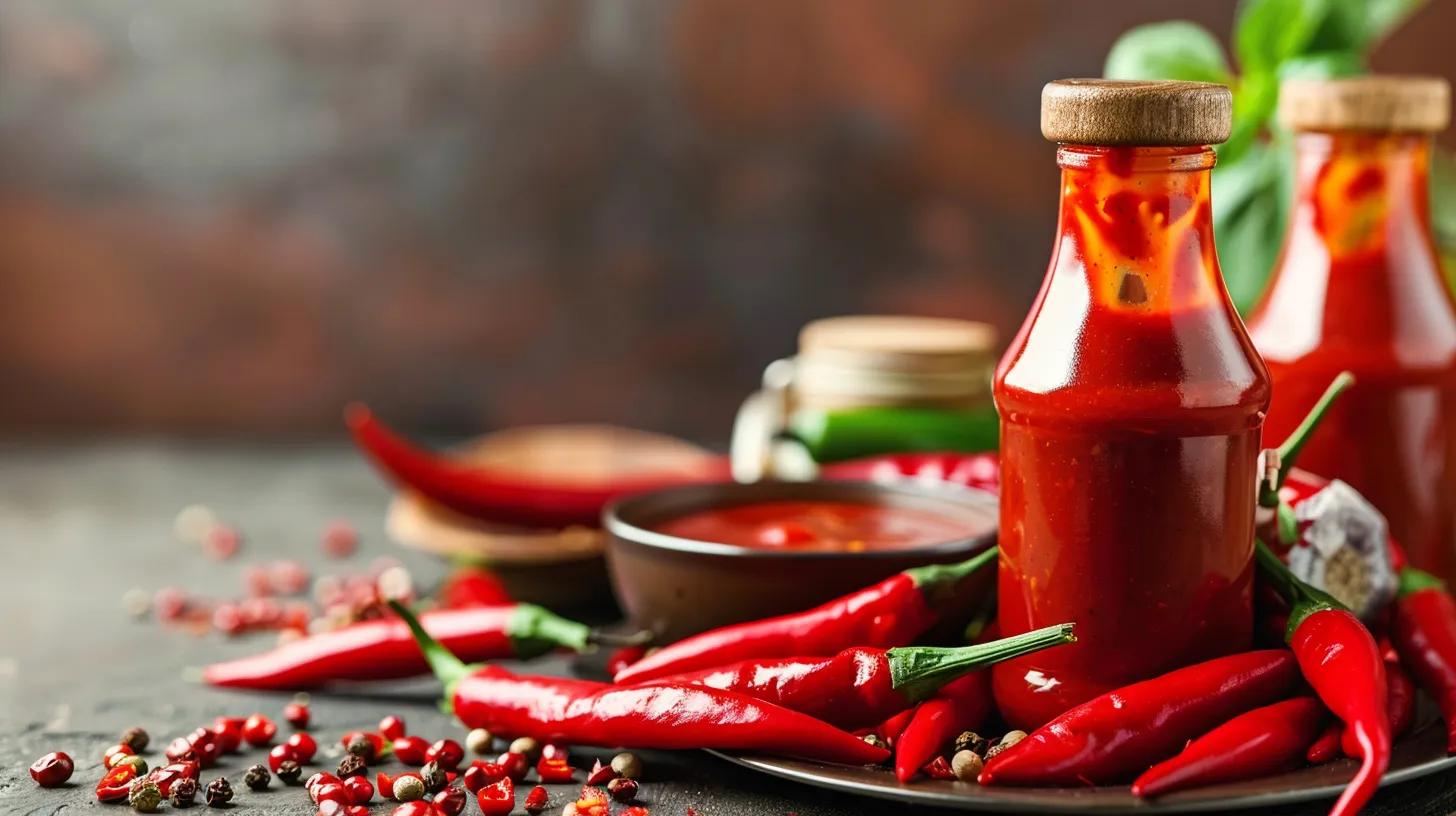
Hot sauce is more than just heat. The right pairing can completely transform how it tastes, turning a simple meal into something bold, balanced, and unforgettable. When spicy heat meets creamy textures, rich meats, or fresh, acidic ingredients, it creates layers of flavor that go far beyond a basic kick.
Understanding how to pair hot sauce with different foods helps you control intensity, enhance taste, and bring out the best in every ingredient. From everyday comfort foods to gourmet dishes, the right combinations can elevate your entire eating experience and make each bite more satisfying.
What Are the Best Foods to Eat with Hot Sauce?
Foods that balance or contrast heat tend to work best: fatty or creamy items mellow spice, while acidic elements brighten flavors. Below are common, reliable companions for hot sauce.
Empirical research indicates that fat content materially affects perceived heat intensity in spicy preparations.
- Tacos: Seasoned meat and fresh veg with a drizzle of hot sauce.
- Fried Chicken: Crispy, savory chicken paired with spicy sauce.
- Pizza: Hot sauce adds lift and works well with pepperoni or jalapeños.
These classics are versatile with many sauce styles. For artisanal options, Murder Hornet Hot Sauce offers natural-ingredient sauces formulated to complement tacos, fried chicken, and pizza.
Which Meats Complement Hot Sauce Flavors Best?
Certain meats pair exceptionally well with hot sauce, enhancing both the protein and the sauce’s flavor.
- Chicken: Grilled, roasted, or baked chicken serves as a versatile, neutral base, allowing the heat, aroma, and depth of the sauce to stand out without overwhelming the palate.
- Pork: Rich cuts like ribs, pulled pork, or pork chops complement spicy and tangy sauces. The natural fattiness of pork balances heat while highlighting acidity and sweetness in the sauce.
- Beef: Steaks, burgers, or ground beef benefit from bold sauces. Smoky or slightly sweet hot sauces enhance beef’s hearty flavor and add a dynamic kick.
- Seafood: Fish and shrimp pair best with tangy or citrus-forward sauces, which brighten delicate flavors while introducing a satisfying heat.
Matching meat richness, texture, and flavor intensity with the right hot sauce ensures a harmonious combination that elevates the overall dish.
How Do Vegetables and Snacks Enhance the Enjoyment of Hot Sauce?
Vegetables and snacks add texture and contrast that alter heat perception. Crisp items refresh the palate; creamy ones soften spice.
- Carrots and Celery: Crunchy dippers that offset heat.
- Avocado: Creaminess that mellows heat and adds richness.
- Chips: Tortilla or pita chips act as a neutral vehicle for sauces.
Use these as sides or starters to balance mouthfeel and flavour in spicy dishes.
How Do Natural Ingredients Influence Hot Sauce Flavor Combinations?
Peppers, vinegar and spices are the core building blocks that determine a sauce’s character. Knowing their roles helps you pick sauces that suit specific dishes.
- Peppers: Different peppers bring distinct heat and flavor notes.
- Vinegar: Adds brightness and cuts richness.
- Spices: Layer complexity and reinforce complementary flavors.
Select sauces that emphasize the traits you prefer in the ingredient for more harmonious pairings.
What Natural Ingredients Define Murder Hornet Hot Sauce’s Unique Taste?
Murder Hornet Hot Sauce gets its distinctive flavor from a balanced blend of natural ingredients that combine heat, sweetness, and acidity.
- Chili peppers such as ghost peppers deliver bold, lingering heat with subtle fruity notes.
- Garlic and aromatics add depth and a rich, savory backbone.
- Natural sweeteners and fruits like honey, mango, or blood orange soften the spice and create contrast.
- Vinegar and citrus provide brightness that sharpens and balances the overall taste.
Together, these elements create a layered flavor profile that goes beyond simple heat, making the sauce both intense and well-rounded.
How Do Ingredient Profiles Affect Spicy Food Pairings?
Effective pairings match heat, acidity, and texture so neither component dominates. Consider the food’s richness, flavor compatibility, and mouthfeel when choosing a sauce.
- Heat Level: Match sauce intensity to the dish’s tolerance (fatty foods tolerate more heat).
- Flavor Compatibility: Pair citrus with seafood, smoky sauces with grilled meats, etc.
- Texture: Use crunchy or creamy accompaniments to create pleasing contrasts.
Thinking through these attributes produces more balanced, memorable dishes.
These principles reflect established culinary strategies for combining flavours to achieve specific sensory outcomes.
What Are Gourmet Hot Sauce Food Pairing Ideas for Culinary Enthusiasts?
Gourmet pairings spotlight subtle sauce notes and elevate composed dishes. Use these as starting points for refinement and presentation.
- Grilled Shrimp Tacos with Mango Salsa: Sweet salsa tones down the heat and adds freshness.
- Spicy Mac and Cheese: A splash of hot sauce livens creamy comfort food.
- Hot Sauce-Infused BBQ Ribs: Use sauce in a marinade or glaze for depth.
These examples show hot sauce’s versatility across casual and refined contexts.
Which Cheese Varieties Pair Best with Spicy Sauces?
Cheeses add fat and texture that moderate spice and enrich mouthfeel. Choose cheeses based on the role you want, tempering heat or complementing it.
- Cheddar: Sharpness pairs well with spicy toppings like nachos.
- Cream Cheese: Smooth, ideal for balancing dips and spreads.
- Feta: Briny notes that complement salads and lighter dishes.
Incorporate these cheeses into sauces, toppings, or bakes to control heat and texture.
How Can Hot Sauce Elevate Grilled and Gourmet Dishes?
Hot sauce contributes acidity, heat, and aromatic lift. Choice of application marinade, finishing drizzle, or integrated ingredient changes the result.
- Marinades: Infuse meats with flavor before grilling.
- Finishing Sauce: Drizzle just before serving for brightness.
- In Sauces: Mix into dressings and condiments for consistent heat.
Use application technique to enhance depth without overpowering other flavors.
How Can You Create Seasonal Spicy Food Pairings That Enhance Hot Sauce?
Match sauce styles to seasonal produce to create timely, well-balanced dishes that showcase peak flavors.
- Spring: Asparagus and peas with a light hot sauce vinaigrette.
- Summer: Tomatoes and corn paired with tangy sauces.
- Fall: Roasted squash or sweet potato with a spicy glaze.
Seasonal ingredients increase freshness and inspire creative applications year-round.
What Are Popular Seasonal Foods to Pair with Hot Sauce?
Peak-season produce provides texture and flavor that pair predictably well with hot sauce.
- Tomatoes: Fresh summer tomatoes with a splash of hot sauce.
- Pumpkin: Fall dishes gain warmth from a spicy drizzle.
- Asparagus: Grill and finish with sauce for a simple side.
These ingredients offer clear opportunities to highlight different sauce profiles.
How Do Seasonal Pairings Improve the Hot Sauce Experience?
Seasonal pairings deliver fresher taste, more varied menus, and scope for creative presentation. Use peak ingredients to get the most from your sauces.
- Freshness: Peak produce enhances overall flavor.
- Variety: Seasonal menus keep flavors interesting.
- Creativity: Seasonal pairings inspire new combinations.
Adopting seasonal strategies broadens menu options and improves perceived quality.
Frequently Asked Questions
What are some unique hot sauce pairings for vegetarian dishes?
Roasted vegetables, grain bowls, and dips (hummus or popcorn) pair well when balanced with herbs, citrus, or creamy elements like avocado or yogurt.
How can I use hot sauce in desserts?
Use sparingly: a light drizzle over dark chocolate or a few drops in fruit salads or sorbets creates a controlled sweet‑and‑spicy contrast.
Are there health benefits to using hot sauce?
Natural hot sauces can add capsaicin, which is linked to modest metabolic and anti‑inflammatory effects, and may make nutrient-dense foods more palatable; consume in moderation.
How can I make my own hot sauce at home?
Blend fresh chilies with vinegar, garlic, and salt; adjust heat with pepper choice, deepen flavor with short fermentation or rest, and add fruit for sweetness if desired.
What are some tips for storing hot sauce?
Store unopened bottles in a cool, dark pantry; refrigerate after opening, use clean utensils to avoid contamination, and watch for signs of spoilage. Homemade sauces have a shorter shelf life.
Can hot sauce be used in cooking beyond just as a condiment?
Yes, use it in marinades, soups, stews, dressings, and compound sauces to add heat, acidity, and aromatic depth throughout many recipes.
Conclusion
Hot sauce has the power to do far more than add heat. When paired thoughtfully with the right ingredients, it enhances flavor, balances richness, and brings depth to every dish. From meats and vegetables to snacks and seasonal favorites, the right combinations can turn simple meals into memorable experiences.
By understanding how heat, acidity, and texture work together, you can make smarter pairing choices that elevate both everyday cooking and gourmet creations. Whether you prefer bold intensity or subtle warmth, experimenting with different foods and flavors will help you discover combinations that suit your taste and keep your meals exciting.