

By Kevin Cummings, Murder Hornet Hot Sauce
Choosing the right hot sauce enhances dishes by highlighting flavors and adding an appropriate level of heat. Heat runs from mild to extremely spicy; knowing these differences helps you match sauces to dishes and personal taste. This article covers heat classifications, the Scoville scale, sensory differences, ingredient effects, and recommended Murder Hornet options.
What Are Hot Sauce Heat Levels and How Are They Measured?
Heat is measured in Scoville Heat Units (SHU), which reflect capsaicin concentration. Mild sauces can be near 1,000 SHU, while extremely hot sauces may exceed 100,000 SHU. Pepper type and personal tolerance determine classifications, so use SHU ranges to choose sauces that match your palate.
How Does the Scoville Scale Explain Mild and Hot Sauces?
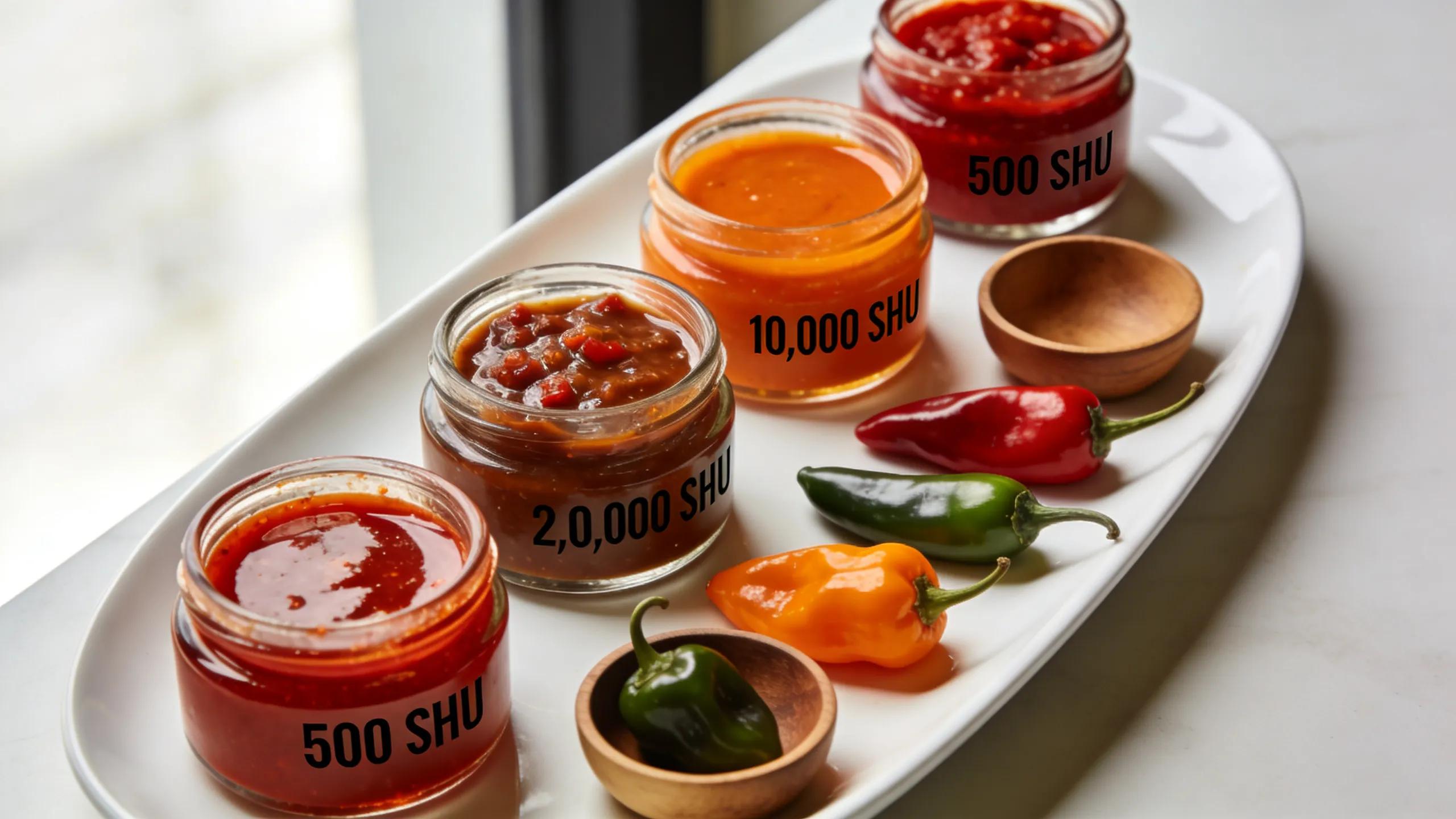
The Scoville scale quantifies spiciness by how much dilution is needed to eliminate the burning sensation; it originally relied on taste panels. Typical ranges: mild (0–2,500 SHU) with peppers like bell and jalapeño; medium (2,500–30,000 SHU) often using serrano or chipotle; hot (30,000+ SHU) using habanero or ghost pepper.
| Sauce Type | Common Peppers | SHU Range |
|---|---|---|
| Mild Hot Sauce | Bell, Jalapeño | 0-2,500 SHU |
| Medium Hot Sauce | Serrano, Chipotle | 2,500-30,000 SHU |
| Hot Hot Sauce | Habanero, Ghost | 30,000+ SHU |
Use the scale as a practical guide to match sauces with your spice tolerance and recipe needs.
What Sensory Experiences Differentiate Mild from Hot Sauces?
Mild sauces offer gentle heat with pronounced aromas and tangy or sweet notes from milder peppers and acids like vinegar or citrus. Hot sauces deliver stronger, often dominant heat that can obscure lighter notes but also present pepper-specific flavors; aromas in hotter sauces are typically sharper and more intense.
How Do Natural Ingredients Influence Flavor and Heat in Hot Sauces?
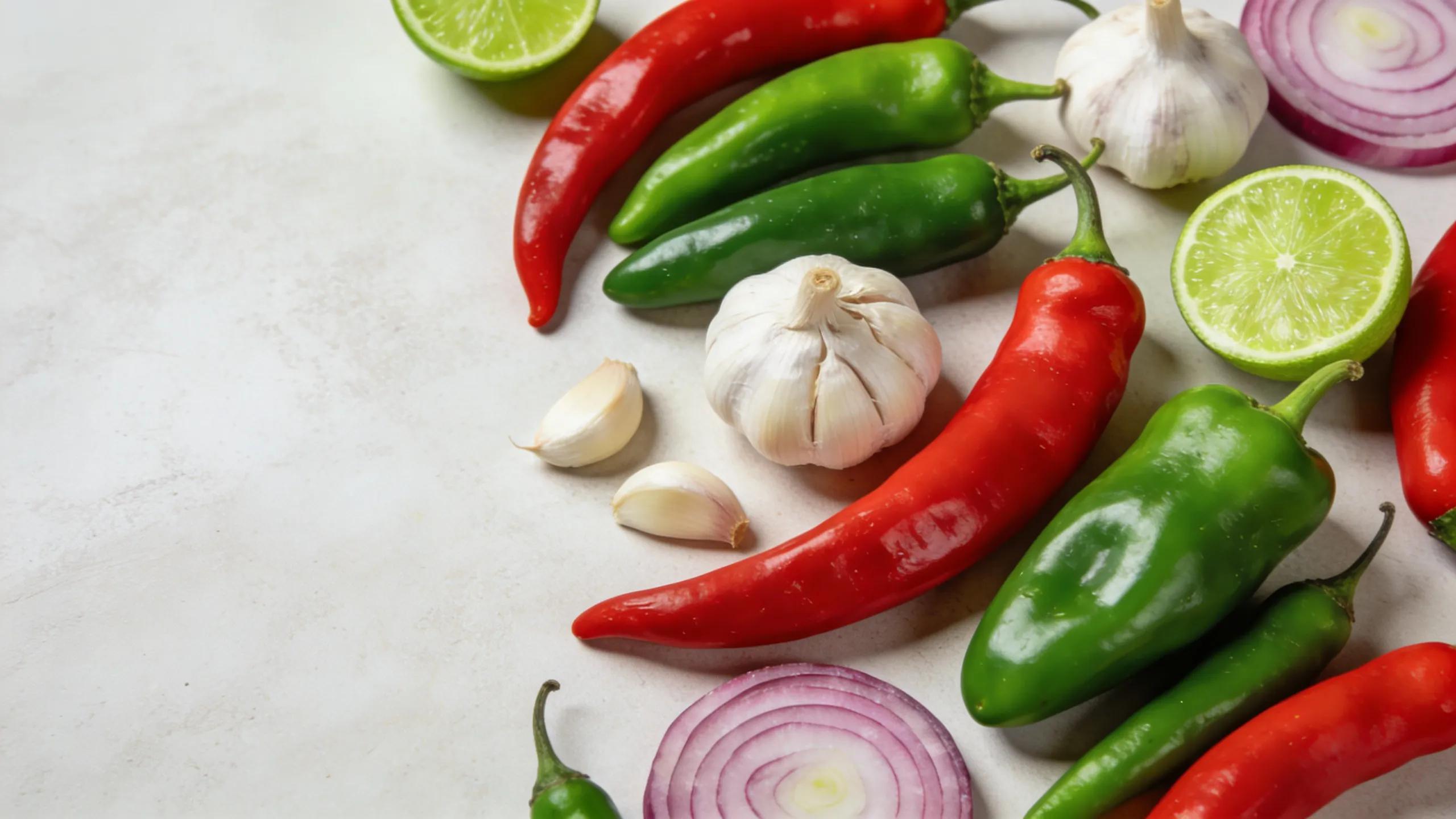
Natural ingredients shape both flavor and perceived heat. Fresh peppers range from fruity to smoky; vinegar adjusts acidity and perceived heat and additions like garlic, onion, or fruit add complementary complexity. Quality, fresh components are central to distinctive gourmet sauces.
Which Natural Ingredients Create Mild and Hot Sauce Flavor Profiles?
Key natural ingredients define profiles across the mild-to-hot spectrum.
- Mild Peppers: Subtle heat; examples include bell and Anaheim peppers.
- Medium Peppers: Balanced heat and flavor; jalapeños and serranos are common.
- Hot Peppers: Intense heat with complex flavors; examples include habanero and ghost peppers.
Garlic and lime juice enhance flavor while keeping perceived heat moderate, which appeals to milder spice preferences.
What Are the Benefits of Preservative-Free, Natural Hot Sauces?
Preservative-free, natural hot sauces often taste cleaner and fresher because they rely on fresh ingredients instead of additives. Health-conscious consumers prefer additive-free products for a more authentic flavor profile, and demand for these products reflects wider interest in cleaner-label foods.
Which Hot Sauce Heat Level Is Right for Different Palates?
Assess your tolerance and the dishes you’ll pair the sauce with. Common recommendations:
- For Beginners: Mild sauces (bell-based) ease you into heat.
- For the Adventurous: Medium sauces (jalapeño, serrano) add perceptible kick without overwhelming flavor.
- For Heat Seekers: Hot sauces (habanero, ghost) deliver intense heat and bold flavor.
Used thoughtfully, hot sauce enhances a meal rather than overpowering it.
How to Select Between Mild and Hot Sauces Based on Taste Preference?
Start with your preferred flavor balance and desired heat. Pairing suggestions:
- Mild Sauces: Great on chicken wings, tacos, or as a light drizzle.
- Medium Sauces: Suited to pasta, grilled vegetables, and sandwiches.
- Hot Sauces: Best with chili, barbecue, and bold dishes that stand up to heat.
Product labels and reviews can help confirm flavor notes and perceived heat before buying.
What Are Recommended Gourmet Mild Hot Sauces for Beginners?
Gourmet mild sauces typically blend subtle spice with sweet or savory notes to introduce heat gently.
- Murder Hornet's Bumbleberry Blast: Sweet berries with light heat, good for newcomers.
- Sweet Heat Salsa: Mild jalapeños with a touch of honey for sweet-savory balance.
- Garlic Lovers Sauce: Garlic-forward, mild heat that enhances many dishes.
These choices let beginners explore flavors without overwhelming spice.
What Does Murder Hornet Hot Sauce Offer Across the Mild to Hot Spectrum?
Murder Hornet Hot Sauce provides a range from mild to hot, emphasizing distinctive flavors and natural ingredients. Mild varieties offer balance and subtle sweetness; hot varieties deliver layered, fiery notes. Products are formulated to suit different consumer preferences.
How Does Murder Hornet Hot Sauce Balance Heat and Unique Flavors?
The brand pairs quality peppers with complementary spices so heat and flavor remain balanced. Formulations aim to enhance dishes while preserving flavor complexity rather than relying on heat alone.
How Can Customers Engage With Murder Hornet Hot Sauce Merchandise?
Customers can shop the full product range on the company website and join a loyalty program for discounts and exclusive offers. The site includes culinary suggestions, and subscribing to the newsletter provides updates on new flavors and promotions.
Frequently Asked Questions
Can I use hot sauce in cooking, or is it best as a table condiment?
Use hot sauce both in cooking and as a table condiment. Added early, it melds with ingredients; added at the end, it provides finishing heat. It works well in marinades, soups, sauces, and as a customizable table option.
What are some popular hot sauce brands besides Murder Hornet?
Popular brands include Tabasco, sriracha, Frank's RedHot, and Cholula. Each offers distinct flavor profiles and heat levels; sampling different brands helps you find pairings you enjoy.
Are there any health benefits associated with consuming hot sauce?
Consumed in moderation, capsaicin may boost metabolism, have anti-inflammatory effects, and aid digestion. Spicy foods can also trigger endorphin release. Those with gastrointestinal issues should use caution and consult a professional if needed.
How can I store hot sauce to maintain its flavor and quality?
Store unopened bottles in a cool, dark pantry. After opening, refrigeration extends freshness. Check for changes in color, texture, or smell and follow any expiration guidance on the label.
Is there a difference in sauce texture between mild and hot sauces?
Texture depends on ingredients and preparation. Mild sauces are often smoother and thinner; some hot or fruit-based sauces can be thicker or chunkier, which affects how they coat food and influence mouthfeel.
How can I incorporate hot sauces into various recipes?
Hot sauces work in marinades (with oil, garlic, and herbs), dressings (mixed with mayo or yogurt), soups for added depth, and as a finishing drizzle on pizzas, tacos, and eggs. Try them in stir-fries and barbecue marinades to expand flavor profiles.
Can the heat level of a hot sauce change over time?
Yes. Separation, ingredient degradation, or poor storage can mellow flavor and reduce perceived heat. Protect bottles from light and air, and replace sauces that show significant changes.
Conclusion
The best hot sauce is the one that matches your preferred balance of heat and flavor. Whether you enjoy a mild kick or intense spice, understanding heat levels and ingredients can help you choose with confidence. Explore different sauces, experiment with pairings and find the perfect flavor profile to elevate your favorite meals.