
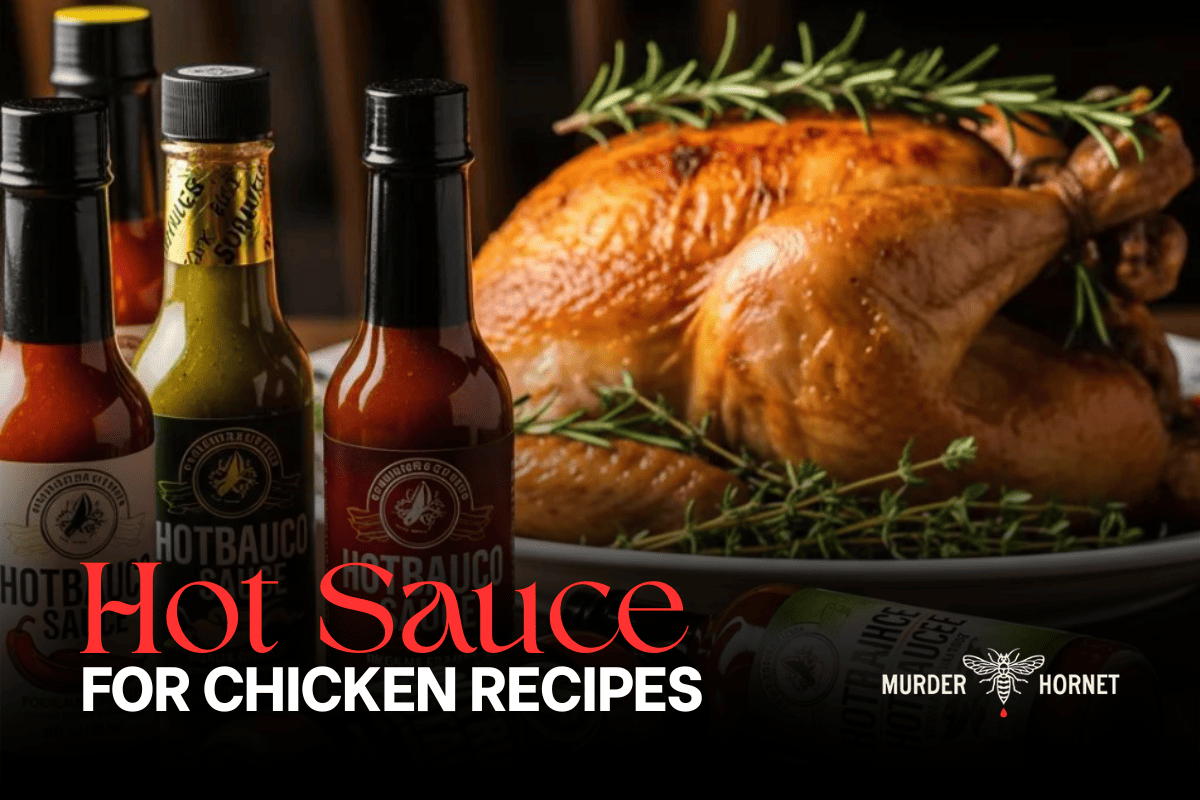
Hot sauce does far more than simply add heat to chicken dishes. The right sauce can introduce layers of smoky depth, tangy brightness, savory richness, or sweet-spicy balance that completely transform the flavor of grilled, roasted, fried, or baked chicken. From bold marinades to finishing drizzles, hot sauce plays an important role in building complexity and enhancing the overall eating experience.
This guide explores the best ways to use hot sauce for chicken recipes, including how to choose the right flavor profiles, apply sauces during cooking, and pair different heat levels with specific dishes. It also highlights how natural ingredients and gourmet small-batch hot sauces contribute to better flavor, better texture, and more balanced heat in chicken recipes.
The best hot sauce options for enhancing chicken dishes include:
The best hot sauce options for chicken recipes depend on the cooking method, desired heat level, and overall flavor profile of the dish. Different sauces bring different characteristics to chicken, allowing you to create anything from smoky barbecue flavors to bright, sweet-spicy combinations. Choosing the right balance of heat, acidity, sweetness, and savory depth can significantly improve the final result.
Some of the most effective hot sauce styles for chicken dishes include:
Garlic Chili Sauce
Garlic-forward hot sauces combine savory richness with balanced chili heat, making them excellent for marinades, dipping sauces, and roasted chicken recipes. The added garlic depth helps enhance fried chicken, wings, and grilled poultry without overpowering the natural flavor of the meat.
Smoky Chipotle Sauce
Chipotle-based hot sauces deliver deep smoky notes that pair exceptionally well with grilled or barbecued chicken. These sauces add richness, charred flavor, and lingering warmth that complement open-flame cooking methods and slow-roasted dishes.
Fruit-Infused Hot Sauces
Hot sauces made with ingredients like mango, pineapple, citrus, or agave create a sweet and spicy contrast that works especially well with crispy fried chicken, baked wings, and lighter poultry dishes. Fruity heat profiles help balance salt, spice, and acidity while adding brightness to the meal.
For those looking to explore premium small-batch options, Murder Hornet Hot Sauce offers a range of natural ingredient hot sauces designed to complement different chicken recipes, cooking styles, and heat preferences.
Expert Recommendations:
When selecting a hot sauce, weigh flavor complexity, ingredient quality, and how the sauce will be used (marinade, glaze, or finishing drizzle).
- Prioritize Flavor Over Heat: Pick sauces with layered tastes rather than one-note heat.
- Start Mild and Increase Gradually: Test milder options first, then progress to hotter varieties.
- Match Sauce to Dish: Use smoky sauces for grilling, fruity sauces for roasting or fried applications, and garlicky sauces for dipping.
Incorporating Hot Sauces into Marinades:

Hot sauce can be a primary flavoring in marinades. Balance acid and fat, control marinating time, and adjust the sauce ratio to achieve desired heat and penetration.
- Balance Ingredients: Combine hot sauce with olive oil, vinegar, and herbs for a rounded marinade.
- Marinate Appropriately: From 30 minutes for a light flavor to up to 24 hours for deeper infusion.
- Adjust Ratios: Reduce sauce for mild heat or increase for bolder spice.
Creative Uses:
Beyond marinades, use hot sauce in dressings, finishing drizzles, and basting liquids to layer flavor at different stages.
- Dressings and Dips: Add hot sauce to vinaigrettes or aioli for a spicy accent.
- Toppings: Drizzle over finished chicken for brightness and heat.
- Basting: Apply during grilling or roasting to build surface flavor.
What Are the Unique Flavor Profiles of Gourmet Hot Sauces for Chicken?
Gourmet hot sauces for chicken come in a wide range of flavor profiles, each designed to complement different cooking methods and ingredients. Some sauces emphasize smoky depth through chipotle or roasted peppers, while others focus on bright acidity, garlic richness, herbal freshness, or fruit-forward sweetness. Understanding these dominant flavor notes helps create more balanced pairings with grilled, roasted, fried, or baked chicken dishes.
For example, smoky sauces pair exceptionally well with barbecue and grilled chicken because they enhance charred flavors, while fruity hot sauces create a sweet-spicy contrast that works well with crispy fried chicken or lighter poultry dishes. Garlic-forward sauces add savory depth to marinades and dipping sauces, making them versatile options for everyday chicken recipes.
How Do Natural Ingredients Influence Hot Sauce Flavor and Quality?
Ingredient choices, such as pepper varietal, vinegars, spices, and fresh produce, define heat, aroma, and complexity. Artisanal products often highlight provenance for refined profiles.
Emphasising high-quality ingredients supports the development of intricate flavor profiles characteristic of gourmet hot sauces.
Which Unique Hot Sauce Flavors Complement Different Chicken Dishes?
Match the sauce's leading note to the preparation for balance and contrast.
- Garlic Chili Sauce: Best with fried chicken and dipping applications.
- Smoky Chipotle Sauce: Works with grilled or barbecued chicken.
- Fruit-Infused Sauces: Pair well with roasted or baked chicken for sweet-spicy contrast.
Deliberate selection can noticeably improve the dish's perceived quality.
How to Choose the Best Hot Sauce for Chicken Wings and Poultry?
Consider three core factors: flavor profile, appropriate heat level for your diners, and ingredient quality.
- Flavor Profile: Complement existing seasonings.
- Heat Level: Choose mild, medium, or hot based on preference.
- Ingredient Quality: Natural ingredients usually yield better taste and fewer additives.
What Heat Levels Are Ideal for Enhancing Chicken Recipes?
Use mild for subtle enhancement, medium for balanced lift, and hot for pronounced spice. Match the heat to diner expectations for best results.
- Mild: Subtle kick without overwhelming flavors.
- Medium: Enhances flavor while remaining approachable.
- Hot: For heat-forward preparations and adventurous eaters.
Proper heat matching improves satisfaction across varied audiences.
How Do Spicy Chicken Marinade Ideas Incorporate Hot Sauces?
Hot sauces mix well with acids, herbs, and sweeteners to create distinct marinades for different outcomes.
- Citrus-Based Marinades: Hot sauce with citrus yields a bright, spicy finish.
- Herb-Infused Marinades: Combine with cilantro, parsley, or basil for fresh notes.
- Sweet and Spicy Marinades: Blend with honey or brown sugar for glaze-like caramelization on the grill.
These frameworks demonstrate hot sauce adaptability in layered marinades.
What Are Effective Ways to Use Hot Sauce for Perfect Chicken Dishes?
Apply hot sauce at different stages, marinating, basting, finishing, to control depth and surface impact.
- Marinating: For internal flavor.
- Basting: For surface caramelization and glaze.
- Finishing Touch: For immediate bright heat before serving.
Combining stages yields a consistent, layered flavor in the final dish.
How to Apply Hot Sauce in Chicken Recipes for Maximum Flavor?
Focus on timing, layering, and pairing. Use hot sauce strategically during prep and combine it with complementary ingredients to reinforce the desired outcome.
- Timing: Adjust application points for varying intensity.
- Layering: Use in marinades, basting, and as a finish.
- Pairing: Match sauce notes with herbs, acids, or sweet components.
These simple strategies increase flavor clarity and harmony.
What Are Recommended Pairing Suggestions for Hot Sauces and Chicken?
Align a sauce's dominant notes with the cooking method to preserve balance and highlight desirable sensory attributes.
- Garlic Chili Sauce: Fried chicken and dips.
- Smoky Chipotle Sauce: Grilled and barbecue preparations.
- Fruit-Infused Sauces: Roasted chicken with a sweet-spicy contrast.
Further research corroborates the significance of targeted sauce pairings and appropriate spiciness levels for preparations such as grilled chicken.
Where to Find Natural Ingredient Hot Sauces and Merchandise?
Natural ingredient hot sauces are commonly available through specialty food retailers, curated online stores, and directly from artisan brands. Producers like Murder Hornet Hot Sauce and other small-batch makers often sell through their own websites, offering full ingredient transparency and access to exclusive sauces and merchandise.
What Are the Benefits of Choosing Natural Ingredient Hot Sauces?
Natural-ingredient sauces typically contain fewer additives, offer clearer, more complex flavors, and frequently reflect sustainable sourcing practices.
- Healthier Options: Fewer preservatives and artificial additives.
- Enhanced Flavor: High-quality inputs give a layered taste.
- Sustainability: Many artisanal brands emphasise responsible sourcing.
These qualities make natural sauces a sensible choice for flavor-minded consumers.
How Can Customers Purchase Gourmet Hot Sauces and Gift Sets?
Customers can purchase gourmet hot sauces through brand websites, specialty food retailers, and curated online marketplaces. Buying directly from artisan producers like Murder Hornet Hot Sauce often provides access to the full product range along with limited releases, tasting packs, and bundled gift sets. These options make it easier to explore multiple flavor profiles, compare heat levels, and discover sauces suited to different dishes and preferences.
Frequently Asked Questions
What are the best ways to store hot sauces for optimal flavor?
Store unopened bottles in a cool, dark place. Refrigerate after opening to extend shelf life, keep caps sealed, and check bottles for color, texture, or odor changes before use.
Can hot sauces be used in baking or cooking beyond chicken dishes?
Yes, use modest amounts in breads, soups, stews, vegetable or seafood marinades, and even some desserts (for controlled contrasts, e.g., chocolate sauces).
How do I know which hot sauce is right for my taste preferences?
Choose by heat level and dominant notes (smoky, fruity, garlicky). Sampling small formats or tasting packs is a low-risk way to find the right match.
Are there any health benefits associated with consuming hot sauce?
In moderation, capsaicin-containing sauces can have metabolic effects and offer antioxidants when made from real produce; monitor sodium content on labels.
What are some popular hot sauce brands known for their quality?
Well-known examples include Frank's RedHot, Sriracha, and Cholula. Artisanal brands focus on small-batch production and distinct flavors; local producers can also offer high-quality options.
How can I incorporate hot sauce into my everyday meals?
Add hot sauce to sandwiches, tacos, burgers, dressings, marinades, or finish eggs, pizza, and pasta with a light drizzle to enhance flavor without overpowering dishes.
Conclusion
Choosing the right hot sauce, one that balances heat, flavor, and ingredient quality, can significantly elevate chicken dishes. When used with intention, whether for marinating, basting, or finishing, hot sauce becomes more than a condiment and turns into a core flavor-building ingredient in your cooking. Exploring different gourmet selections also helps you understand how various profiles interact with chicken, allowing you to refine pairings based on your recipes and taste preferences.